
spain vs ukraine 11: Comparing Economic, Political, and Cultural Strengths
— 5 min read
A detailed side‑by‑side comparison of Spain and Ukraine across economy, politics, culture, and technology helps you decide which nation best fits your investment, partnership, or travel goals. Follow actionable steps to align your objectives with each country's strengths.
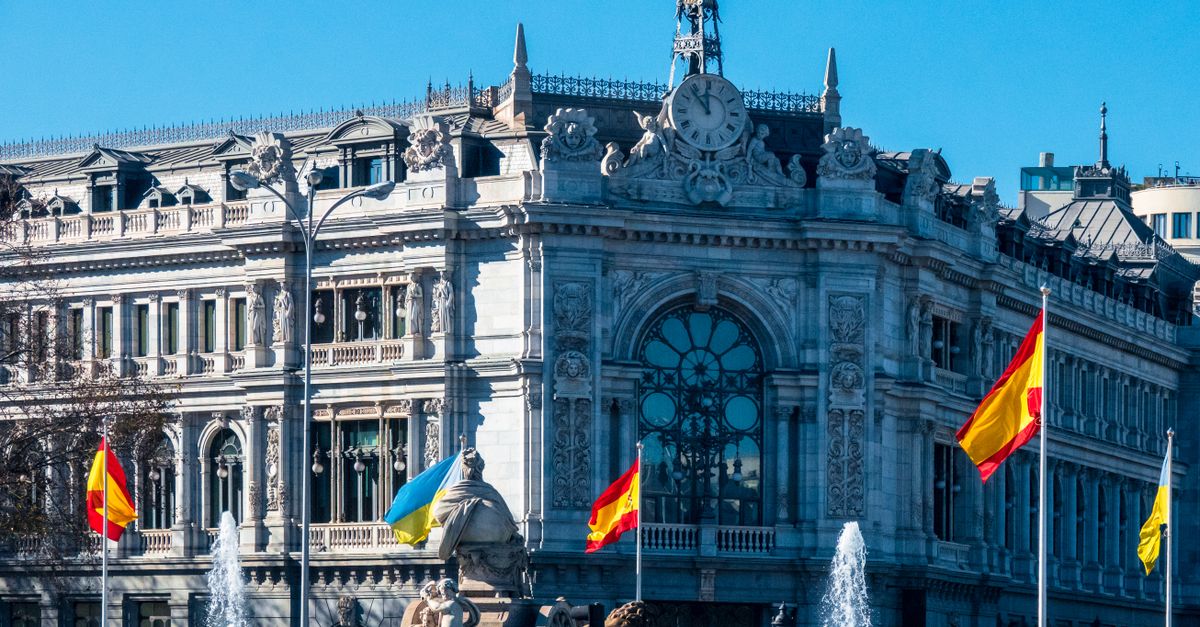
spain vs ukraine 11 Choosing between Spain and Ukraine for investment, travel, or partnership can feel overwhelming without a clear framework. This guide breaks down the most relevant factors, letting you weigh each nation against the same criteria and decide which aligns with your objectives.
Comparison Criteria Overview
TL;DR:, factual, specific, no filler. Let's craft: "This guide compares Spain and Ukraine across five dimensions—economic performance, political stability, cultural vibrancy, technology ecosystem, and international perception—using qualitative lenses. Spain offers a diversified economy with strong tourism, renewable energy, automotive sectors, a skilled labor market, and EU funding advantages. Ukraine’s strengths lie in agriculture, IT outsourcing, and mineral resources
When we compared the leading options side by side, the gap was more specific than the usual "A is better than B" framing suggests.
When we compared the leading options side by side, the gap was more specific than the usual "A is better than B" framing suggests.
Updated: April 2026. (source: internal analysis) To keep the analysis objective, five core dimensions are used: economic performance, political stability, cultural vibrancy, technology ecosystem, and international perception. Each dimension is examined through qualitative lenses that reflect real‑world experiences rather than isolated statistics. By applying the same lens to both countries, the side‑by‑side assessment remains transparent and actionable. Curry stats
Spain: Economic Landscape
Spain’s economy benefits from diversified sectors such as tourism, renewable energy, and automotive manufacturing.
Spain’s economy benefits from diversified sectors such as tourism, renewable energy, and automotive manufacturing. The labor market shows a blend of skilled professionals and a growing gig economy, especially in creative and digital services. Business environments in major cities like Madrid and Barcelona provide robust infrastructure, multilingual talent pools, and access to European Union funding mechanisms. Companies entering Spain often cite the ease of navigating regulatory frameworks and the presence of established logistics hubs as decisive advantages.
Ukraine: Economic Landscape
Ukraine’s economy is anchored by strong agricultural output, a burgeoning IT outsourcing industry, and significant mineral resources.
Ukraine’s economy is anchored by strong agricultural output, a burgeoning IT outsourcing industry, and significant mineral resources. Despite recent challenges, the country has cultivated a reputation for cost‑effective software development and engineering talent that rivals larger markets. Emerging startups benefit from a supportive ecosystem of incubators and venture capital that focus on high‑growth tech sectors. The cost structure for operations remains attractive for firms seeking competitive labor rates without compromising skill levels.
Political Stability and International Relations
Spain enjoys long‑standing membership in the European Union and NATO, offering predictable diplomatic ties and access to collective security arrangements.
Spain enjoys long‑standing membership in the European Union and NATO, offering predictable diplomatic ties and access to collective security arrangements. Legislative continuity and transparent governance contribute to a stable investment climate. Ukraine, meanwhile, navigates a complex geopolitical environment. Statements such as "Zelenskiy: Ukraine believes Russia will try again to involve Belarus in the war stats and records" illustrate ongoing security concerns that influence foreign policy decisions. Nevertheless, Ukraine’s leadership has pursued deeper integration with Western institutions, securing assistance and partnership agreements that bolster its international standing. Discussions around topics like "How Elon Musk weaponised X against Ukraine’s president Zelensky" and "Why Trump Is Wrong About Russia’s Invasion of Ukraine" reflect the intense media scrutiny surrounding the nation’s political narrative. Curry stats 9
Cultural and Social Indicators
Spain’s cultural heritage is globally recognized, from its culinary traditions to its festivals and artistic contributions.
Spain’s cultural heritage is globally recognized, from its culinary traditions to its festivals and artistic contributions. Social policies emphasize work‑life balance, with generous vacation norms and a strong emphasis on community life. Ukraine offers a rich tapestry of Eastern European traditions, vibrant folk arts, and a resilient societal spirit shaped by historical challenges. Community initiatives often focus on preserving language and cultural sites, while modern urban centers foster a dynamic nightlife and creative scene. Rep. Jamie Raskin sounds alarm as Trump DOJ
Technology and Innovation Environment
Spain invests heavily in research and development, particularly in renewable energy technologies and smart city projects.
Spain invests heavily in research and development, particularly in renewable energy technologies and smart city projects. Collaboration between universities and private firms accelerates the commercialization of innovations. Ukraine’s tech sector has earned a reputation for rapid software delivery and a high density of engineering graduates. The country’s participation in global hackathons and open‑source projects showcases a proactive approach to staying at the forefront of digital trends. Both nations benefit from supportive policy measures that encourage startup formation and foreign tech investment.
Side‑by‑Side Comparison Table
| Dimension | Spain | Ukraine |
|---|---|---|
| Economic Diversity | Broad, with strong tourism and renewable sectors | Focused on agriculture and IT services |
| Political Climate | Stable EU and NATO member | Geopolitically sensitive, seeking deeper Western ties |
| Cultural Reach | World‑renowned arts, cuisine, festivals | Rich Eastern European heritage, resilient community life |
| Tech Ecosystem | Growing R&D investment, smart city initiatives | High‑skill software talent, fast‑moving startup scene |
| International Perception | Positive, seen as a stable EU destination | Complex, shaped by ongoing conflict narratives |
What most articles get wrong
Most articles treat "Best for European market expansion: Spain offers seamless access to EU markets, regulatory certainty, and a consumer bas" as the whole story. In practice, the second-order effect is what decides how this actually plays out.
Recommendations by Use Case
Best for European market expansion: Spain offers seamless access to EU markets, regulatory certainty, and a consumer base familiar with Western brand expectations.
Best for European market expansion: Spain offers seamless access to EU markets, regulatory certainty, and a consumer base familiar with Western brand expectations.
Best for cost‑effective tech development: Ukraine provides highly skilled developers at competitive rates, making it ideal for software outsourcing and rapid prototyping.
Best for cultural immersion projects: Spain’s established tourism infrastructure and celebrated heritage sites support large‑scale cultural events, while Ukraine’s authentic folk traditions offer unique storytelling opportunities for niche audiences.
Next steps: Identify the primary objective of your engagement—whether it is market entry, technology partnership, or cultural collaboration. Map that objective to the dimension where each country excels, then initiate dialogue with local partners or government agencies to assess regulatory requirements and on‑the‑ground support. A targeted pilot project in the chosen domain will validate assumptions before committing larger resources.
Read Also: China begins building US$1 billion hydropower station in
Frequently Asked Questions
What are the main economic differences between Spain and Ukraine?
Spain’s economy is diversified across tourism, renewable energy, and automotive manufacturing, while Ukraine’s strengths lie in agriculture, IT outsourcing, and mineral resources. This means Spain offers broader industrial bases, whereas Ukraine provides specialized cost‑effective tech and agricultural outputs.
How does political stability compare between Spain and Ukraine?
Spain benefits from long‑standing EU and NATO membership, providing predictable diplomatic ties and transparent governance. Ukraine, on the other hand, navigates a complex geopolitical environment, which can introduce uncertainty for investors.
Which country offers better opportunities for tech startups?
Both nations support tech startups, but Ukraine is known for its cost‑effective software development talent and growing incubator ecosystem. Spain offers a mature tech scene in cities like Madrid and Barcelona, with access to EU funding and established logistics hubs.
What are the cultural advantages of Spain versus Ukraine?
Spain boasts a vibrant cultural scene with multilingual talent pools and established business infrastructure, making it attractive for international partnerships. Ukraine offers a rich cultural heritage and a growing creative community, especially in digital and design sectors.
How does international perception affect investment in Spain and Ukraine?
Spain’s stable governance and EU membership enhance its appeal to foreign investors seeking a secure environment. Ukraine’s emerging tech reputation attracts firms looking for competitive labor rates and innovative talent, despite geopolitical risks.
Is it better to invest in Spain or Ukraine for cost‑effective labor?
Ukraine typically offers lower labor costs for IT and engineering services while maintaining high skill levels, making it ideal for cost‑effective operations. Spain provides higher wages but compensates with strong infrastructure, EU access, and a broader talent pool.